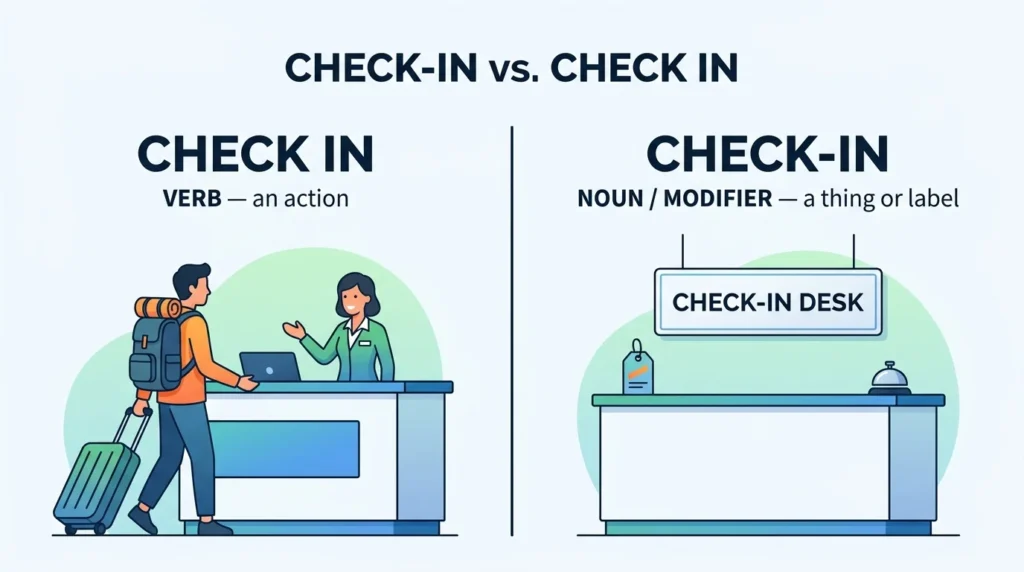
Use check in as two words when it functions as a verb and describes an action: “Please check in at reception.” Use check-in with a hyphen when it is a…
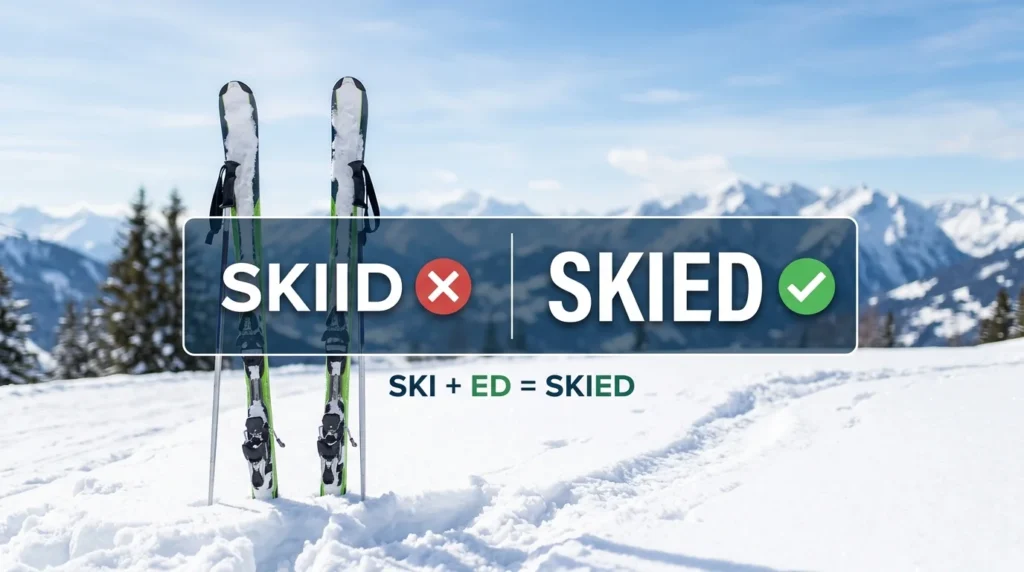
Skied is correct; skiid is incorrect. The word skied is the simple past tense and past participle of the verb ski. For example, “We skied yesterday” and “She has skied…
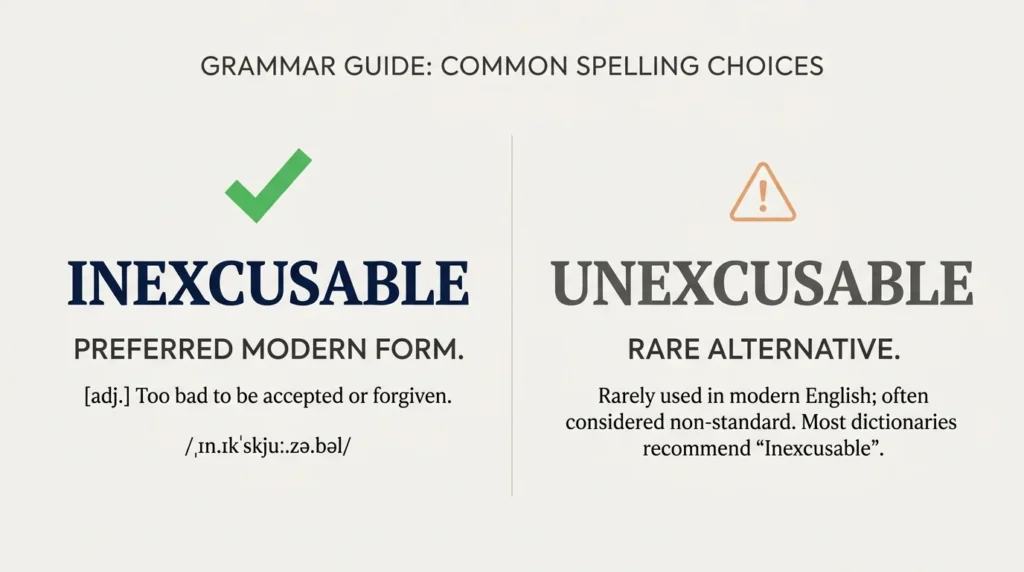
Inexcusable is the standard and natural word in modern English. It means impossible to excuse, justify, or accept. Unexcusable also exists and has essentially the same meaning, so calling it…
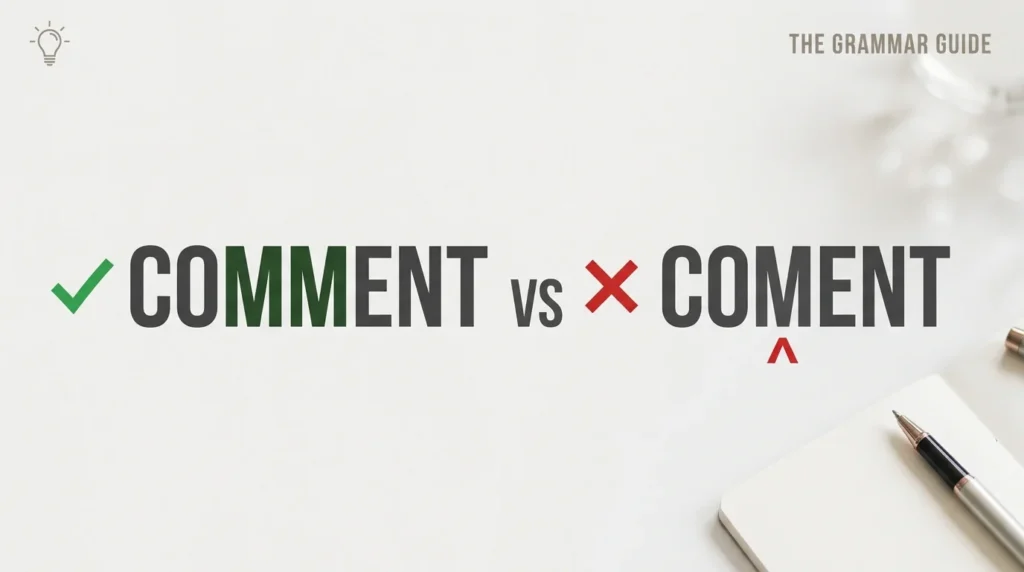
Comment is the correct spelling in standard modern English. Coment is normally a misspelling caused by leaving out one of the two m letters. Write comment when you mean a…
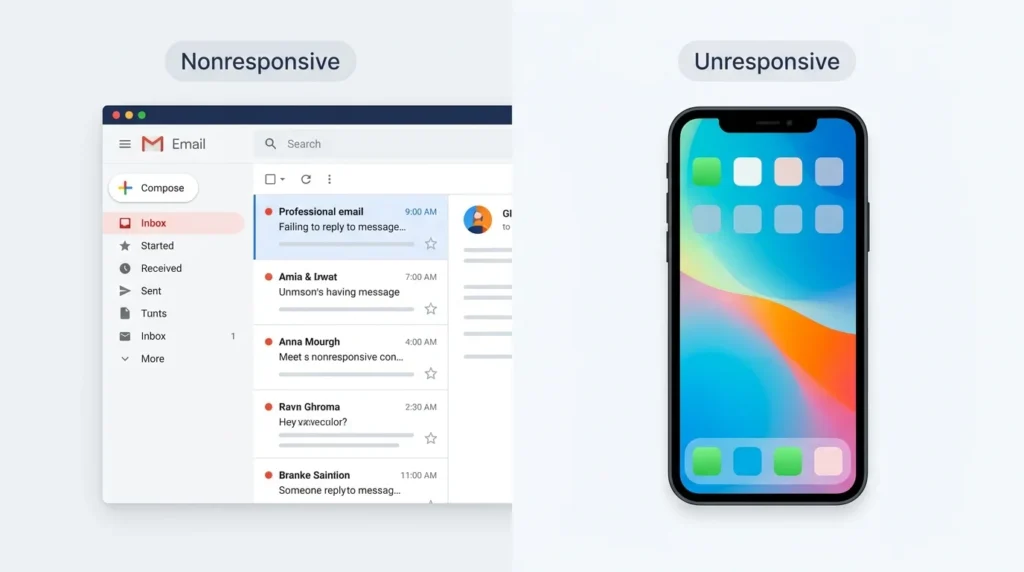
Nonresponsive and unresponsive are both correct adjectives meaning “not responsive,” but they are not always the best choice in the same situation. Use unresponsive as the natural general word for…
Across is the correct spelling. Accross is a misspelling and should not be used when you mean “from one side to the other,” “on the opposite side,” or “throughout an…
If you mean a spoon-like tool, a portion of something, the action of lifting or gathering, or an exclusive piece of news, scoop is the correct standard spelling. Scoup should…
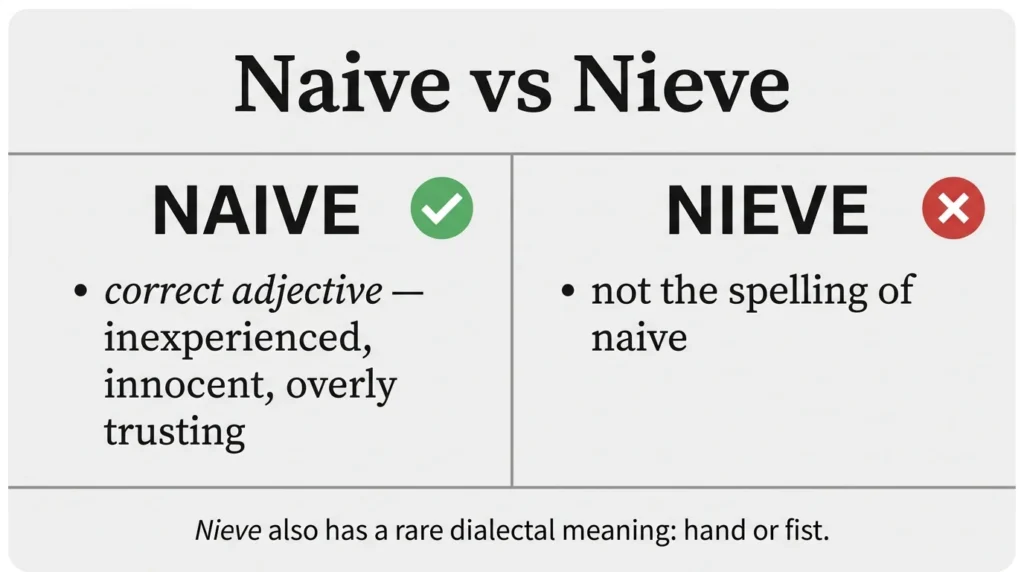
Naive is the correct spelling when you mean innocent, inexperienced, unsophisticated, or too willing to trust. Nieve is not an alternative spelling of naive in standard English. However, nieve does…
Transferred is the correct standard spelling. Transfered with one r is a spelling error in standard English. Transferred is both the simple past tense and the past participle of the…
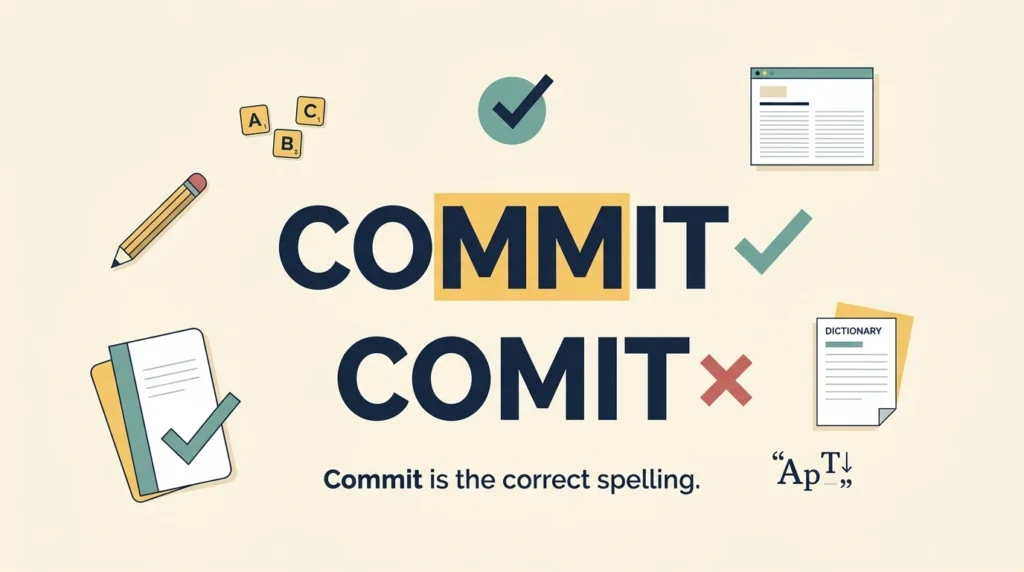
Commit is the correct spelling. Comit is a misspelling in standard English. Write commit with two m's whether you mean to promise yourself to something, dedicate resources, carry out an…